We are human, and therefore we make mistakes. In the cloud, these mistakes are often dangerous and costly. The stakes are high with the flexibility, power, and scale that cloud environments offer. A single misstep could expose sensitive data, leave systems vulnerable, or lead to unexpected outages.
When operating in the cloud, these issues often stem from the same kinds of human errors that have plagued IT systems for decades, but now their impact is magnified by the scale of cloud resources.
Common Cloud Mistakes
Let’s take a look at some simple yet frequent mistakes people make when managing their cloud environments:
- Misconfigured Permissions Granting excessive permissions to users or systems can lead to unintended access to critical resources. This often happens due to a misunderstanding of cloud identity and access management (IAM) policies. The “just give them admin rights for now” mentality can open the door to both internal and external threats and extensive security risks.
- Unrestricted Public Access: Accidentally leaving sensitive storage, such as S3 buckets or Azure Blobs, open to the public is a classic error. This can lead to data exposure with catastrophic results. It’s common to forget to lock down access to specific users, especially when working quickly.
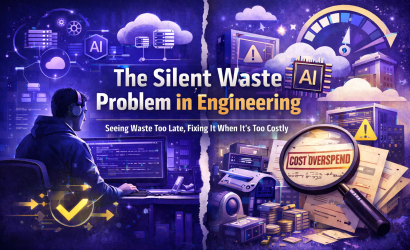
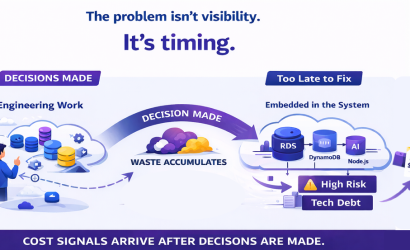
- Neglecting Cost Management: Without proper tagging, monitoring, and budgeting, cloud costs can spiral out of control. Simple errors like leaving unused resources running or allocating oversized instances for minimal workloads are mistakes that can quickly go unnoticed—until the bill arrives.
- Failure to Monitor Security Posture: Security configurations can often be overlooked or set up incorrectly. Failure to activate encryption for data at rest, enabling unnecessary ports on virtual machines, or forgetting to turn on multi-factor authentication (MFA) can create vulnerabilities.
- Overcomplicating Architectures: Sometimes, teams create overly complex systems when simpler designs would suffice. This can lead to performance issues, higher operational costs, and increased risk of failure. Complexity, when unnecessary, just adds more points where something can go wrong.
What If These Mistakes Could Be Eliminated?
Imagine a world where these mistakes just don’t happen. Where human errors are caught and corrected before they cause harm. What would it take to ensure cloud resources are always safe, properly configured, and running optimally? Could we automate the prevention of such mistakes?
That’s the vision that inspired us at Atmoz. We believe in real-time prevention of human cloud errors. But how does one achieve that?
Stay tuned for Part II, where we explore what it takes to eliminate these issues and discuss the strategies and tools that can make it happen.