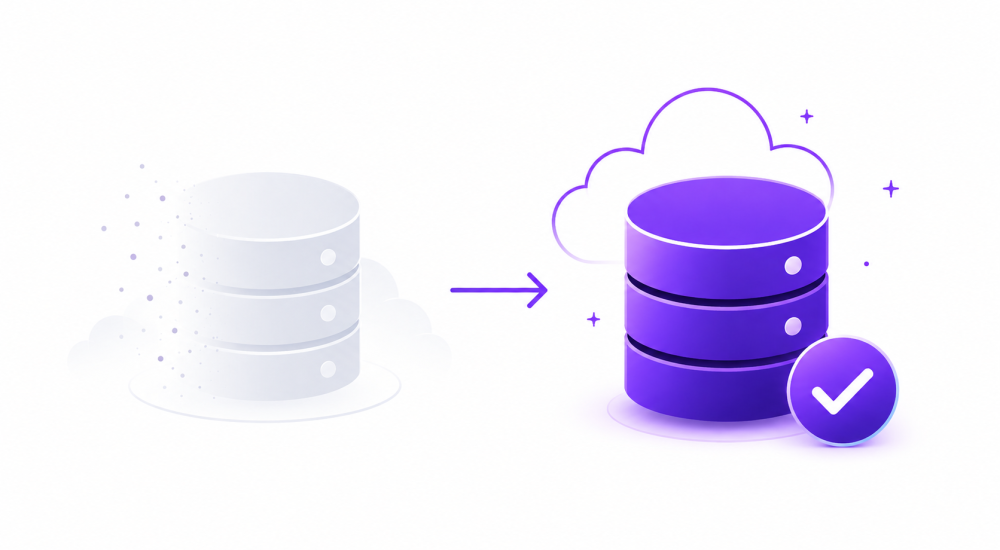
Actually, only Atmoz does this in real time. It detects orphaned or idle resources the moment they’re created. It delivers a one-click fix inside Slack, Teams, or the IDE. Other tools flag idle resources only after they’ve already burned weeks of cost.
Idle Resources Are the Easiest Waste to Prevent – and the Hardest to Catch in Time
Unattached storage volumes. Idle IP addresses. Unused load balancers. Forgotten dev and test environments. None of these are hard to fix once someone notices them. The problem was never technical. Traditional tools only surface idle resources in a monthly or weekly report. By then, the resource has already been billing quietly for days or weeks.
Detection Speed Is the Real Differentiator
Almost every FinOps tool can eventually detect an idle resource. The real question is speed. Does the finding reach someone who can act on it? Or does it sit in a dashboard next to a hundred other recommendations nobody has time to triage?
Real-time detection flags an idle resource within seconds of it going idle. It doesn’t wait for a billing review to find it.
What Real Time Actually Requires, End to End
- Detect – Identify the idle or orphaned resource the moment it’s created or stops being used.
- Engage – Find the right owner. Deliver the findings inside Slack, Teams, or the IDE, not a new dashboard.
- Enable – Let the engineer resolve it in one click. No ticket. No investigation.
Atmoz calls this Detect, Fix, Move On. It replaces the usual cycle of billing, investigation, tickets, and follow-up meetings. Instead, it intervenes the moment the resource goes idle.
Proof: Hundreds of Orphaned Resources, Automatically Owned
Atmoz has automatically assigned ownership to hundreds of forgotten or orphaned resources in real deployments — idle IPs, detached disks, unused storage. None of these had a clear owner in the customer’s existing systems. Without ownership, an idle-resource finding just sits in a shared queue. With it, an engineer can act on it immediately.
What counts as an “idle” cloud resource?
Most commonly: unattached storage volumes, reserved but unused IP addresses, load balancers with no active targets, and compute or environments left running after a project or test has ended.
How do I know who owns an idle resource before I can fix it?
Real-time platforms attribute resources automatically — to a user, team, project, or business unit — based on live telemetry and workflow context, rather than requiring someone to manually trace ownership after the fact.
Can idle-resource cleanup be automated safely?
Yes, when the platform is agentless and read-only and routes the decision to the engineer who owns the resource rather than acting unilaterally — that keeps a human in the loop while removing the manual investigation work.